




























- 2024-06-12 16:34:00
- Source:Comprehensive sorting from the network
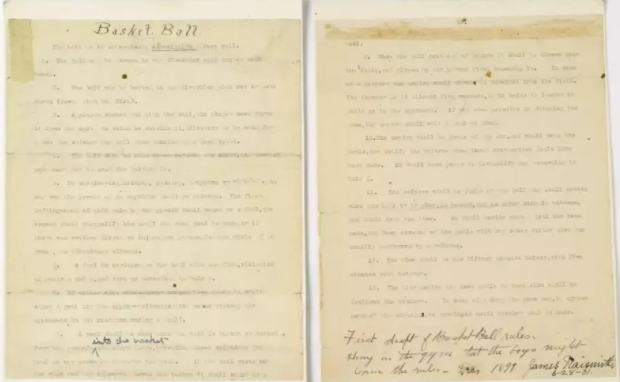
When Naismith first invented basketball, the basketball rack was just a simple peach basket. The peach basket is attached to the railing of the indoor sports room stand, 10 feet (about three meters) above the ground.
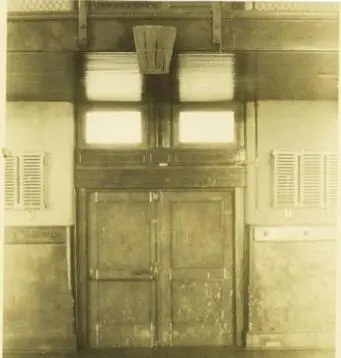
In 1893, an iron ball basket replaced the peach basket and a wire net was hung, but the bottom of the net was still sealed.
For the convenience of the game, people no longer fixed the basket on the wall, but fixed on a supported shelf.
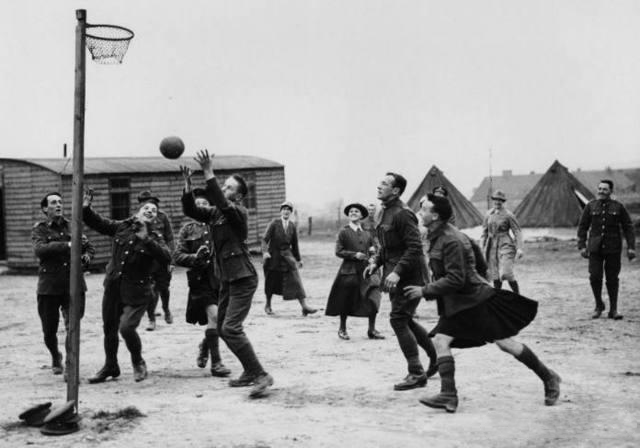
In 1895, the hoop began to be fixed to a 4-by-6-foot wooden backboard, improving the stability and safety of the basketball stand.
In 1909, the College Student Rules Committee began to approve the use of glass backboards.
By 1913, because it was too troublesome to fish the ball out of the basket after each shot, the bottom of the net was cut to form a similar backboard and basket to the modern day.
But it wasn't until 1954 that FIBA mandated the use of uniform backboard sizes and shapes.
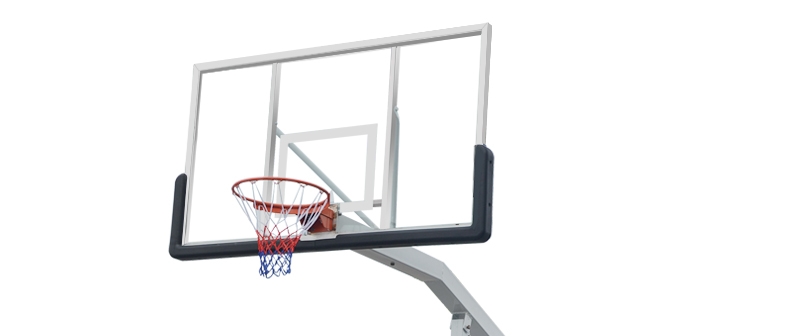
At present, all transparent backboards are used in international official competitions.
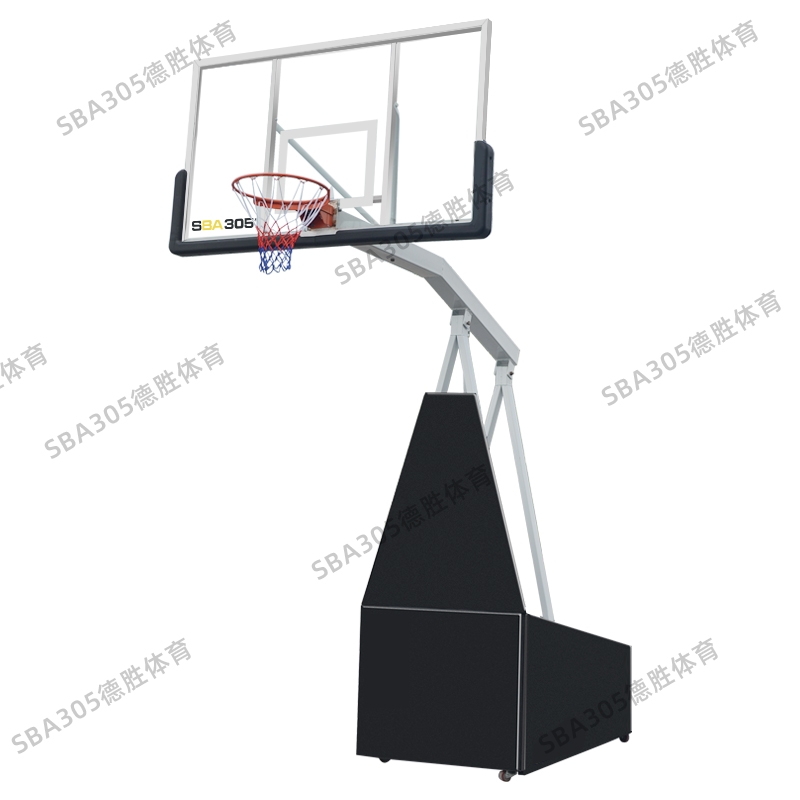
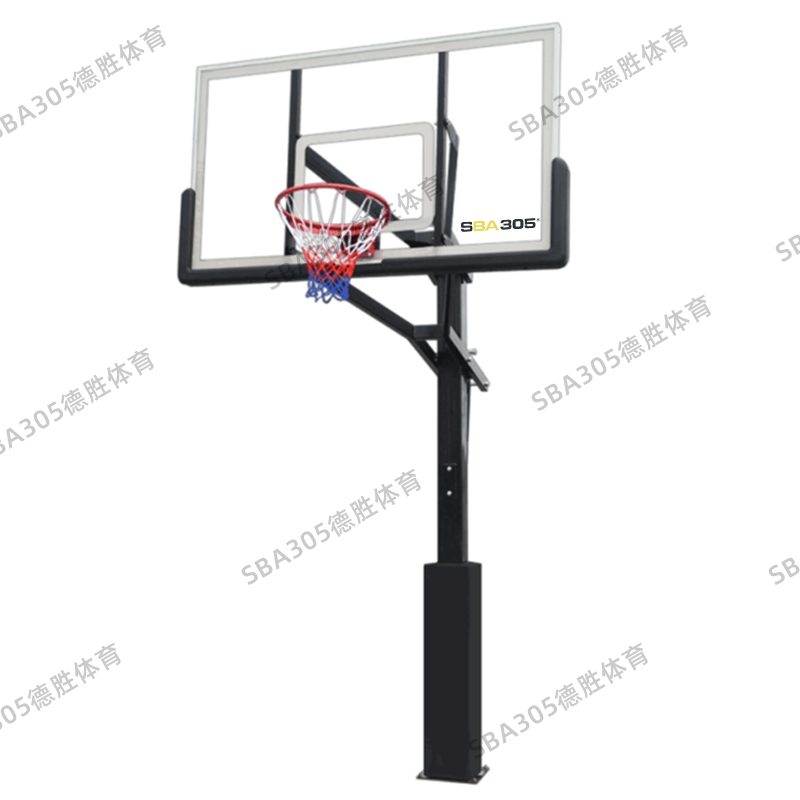
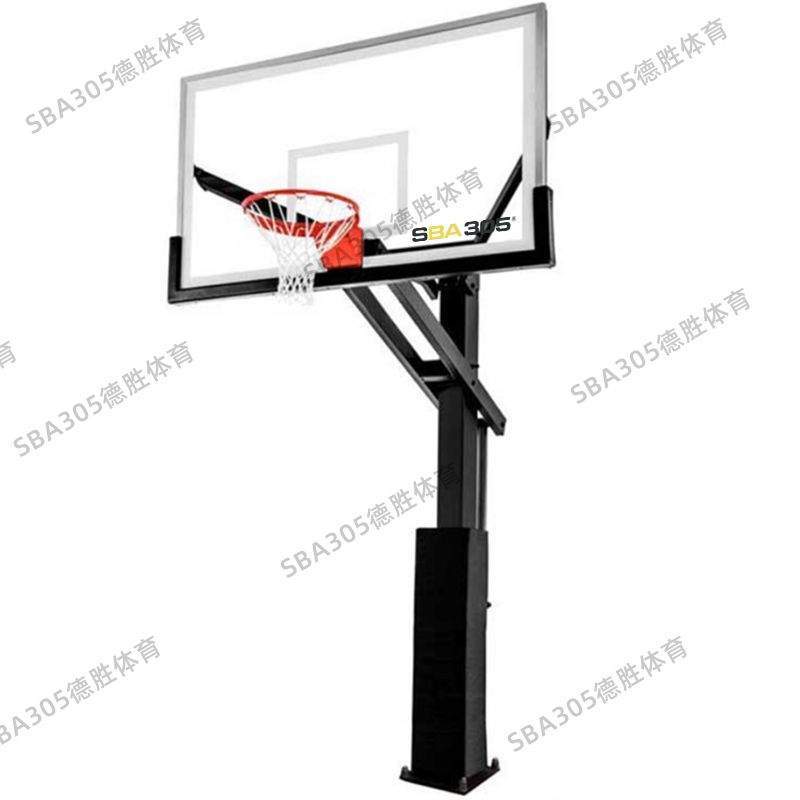
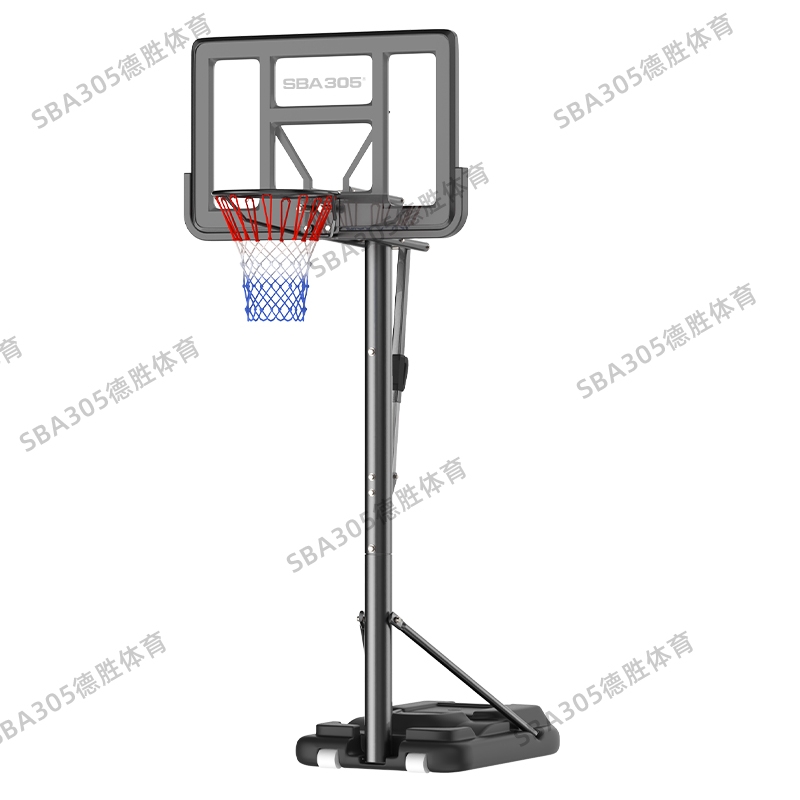
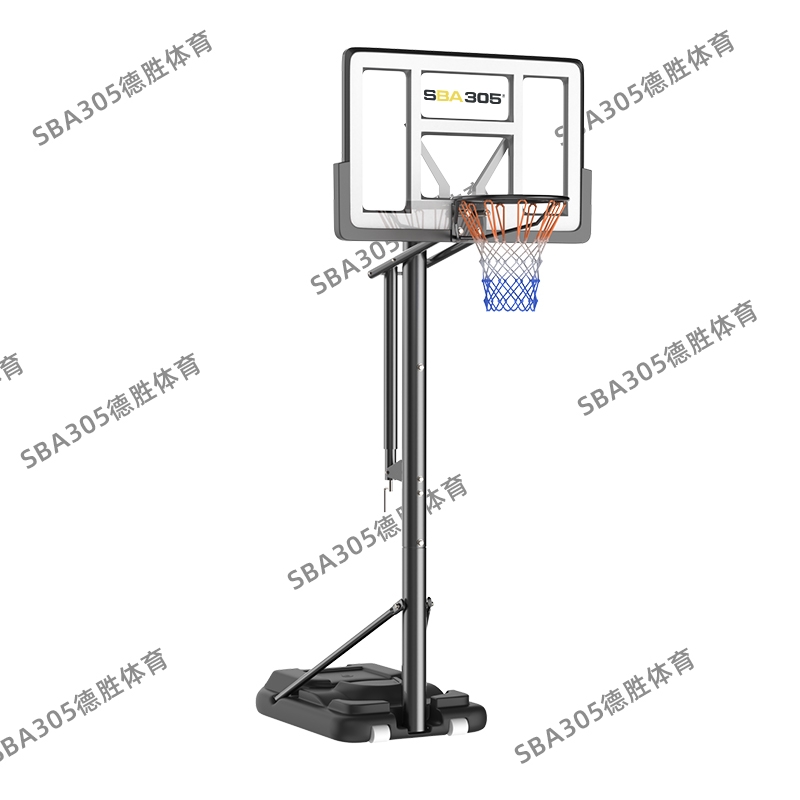
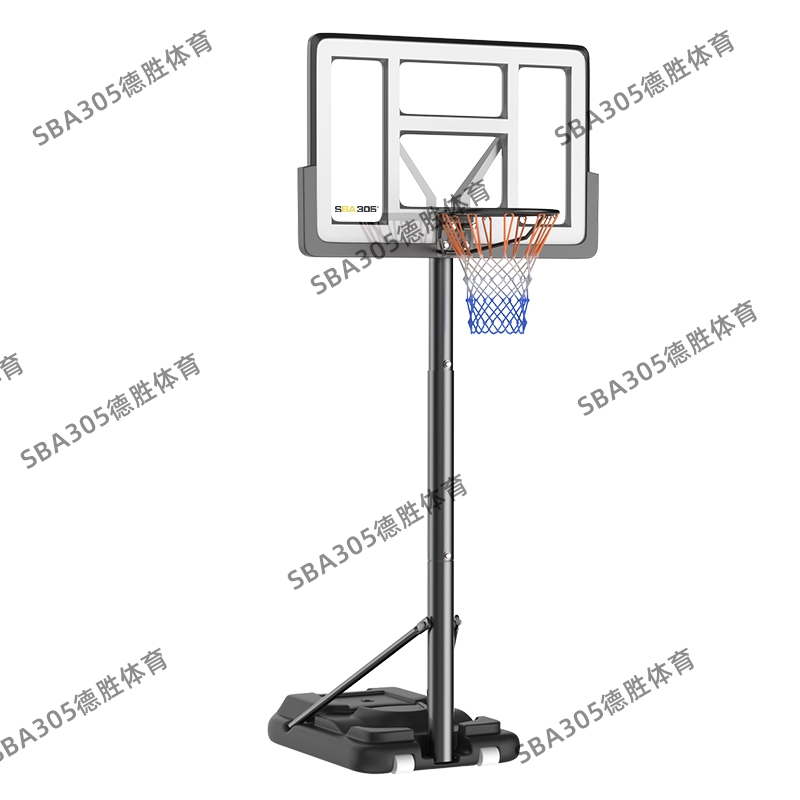
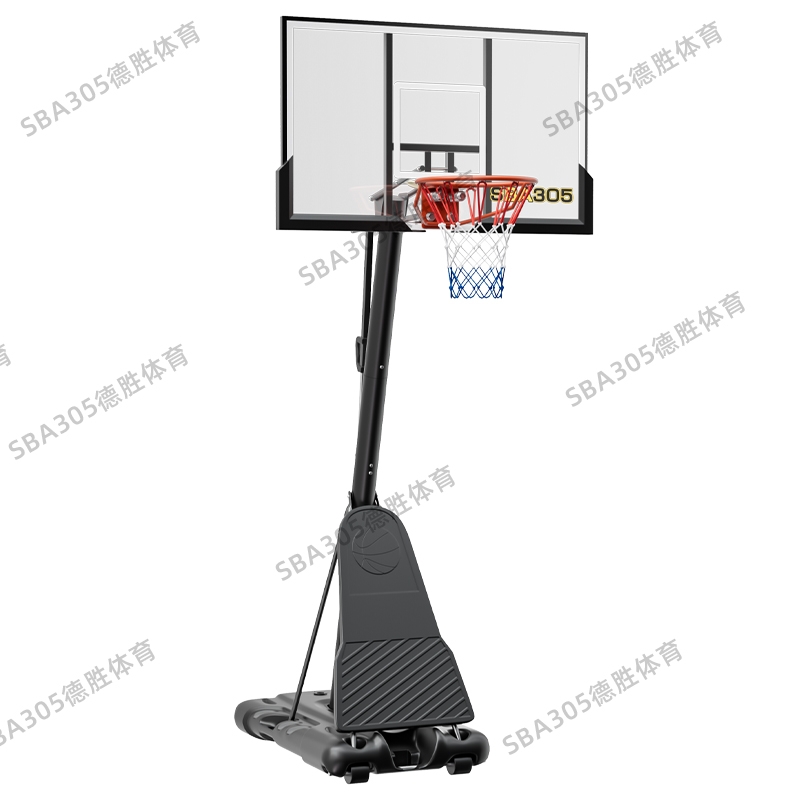
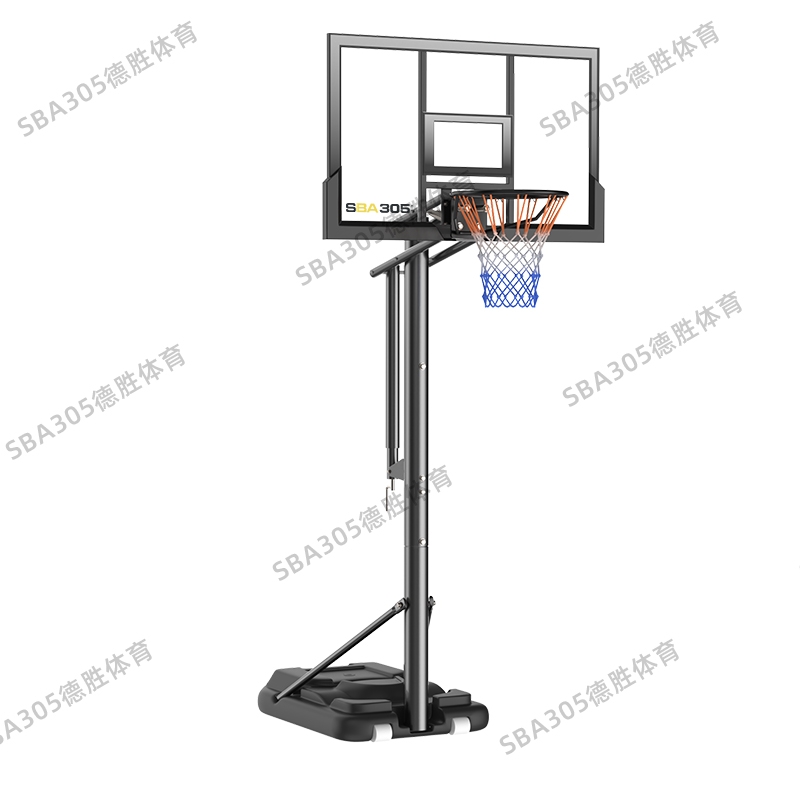
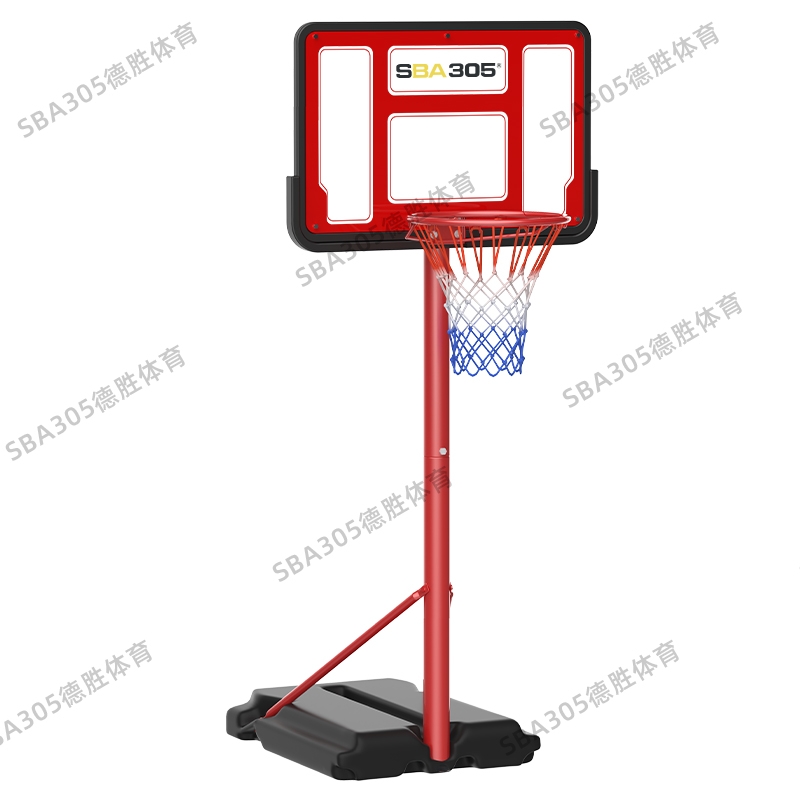
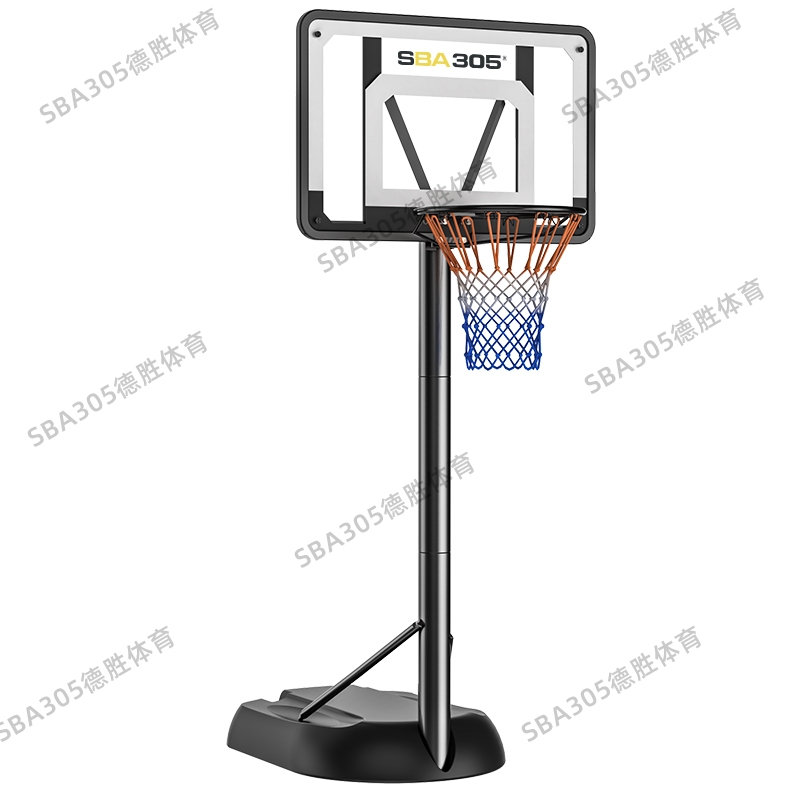
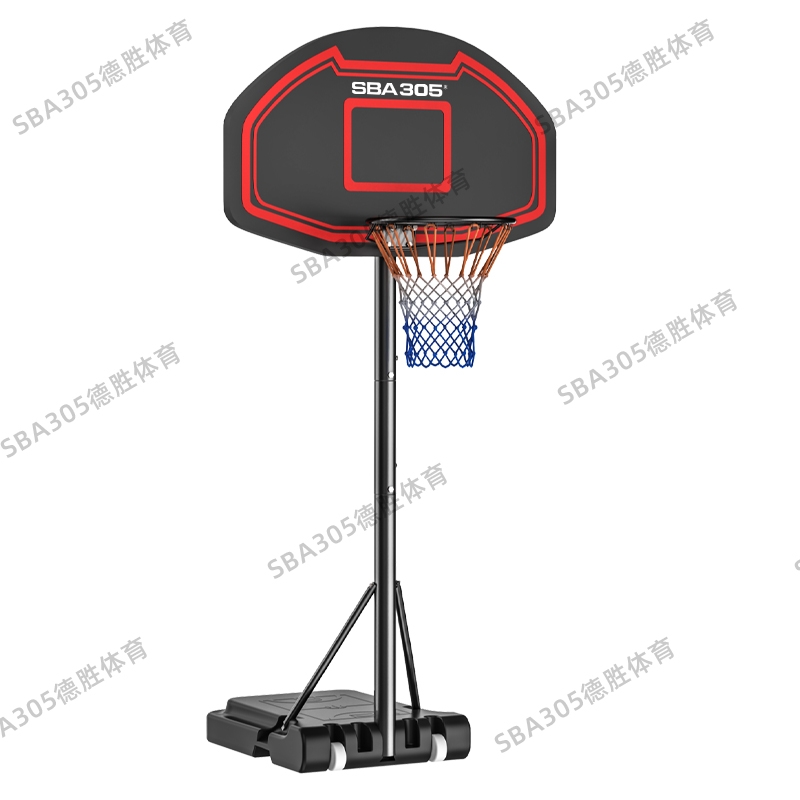
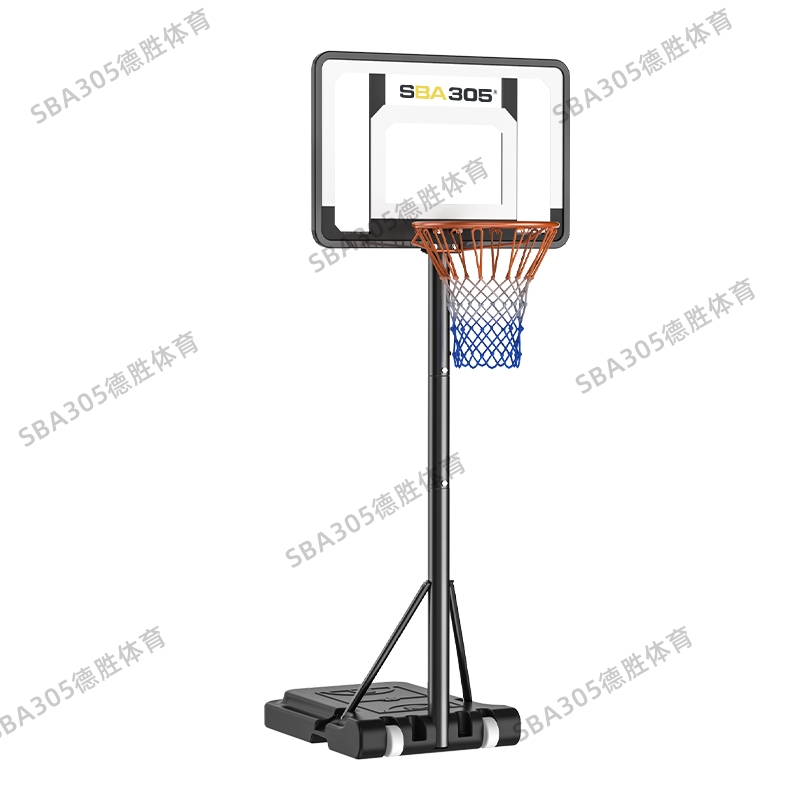
Basketball continues to develop, and the design of basketball stands is constantly refined.
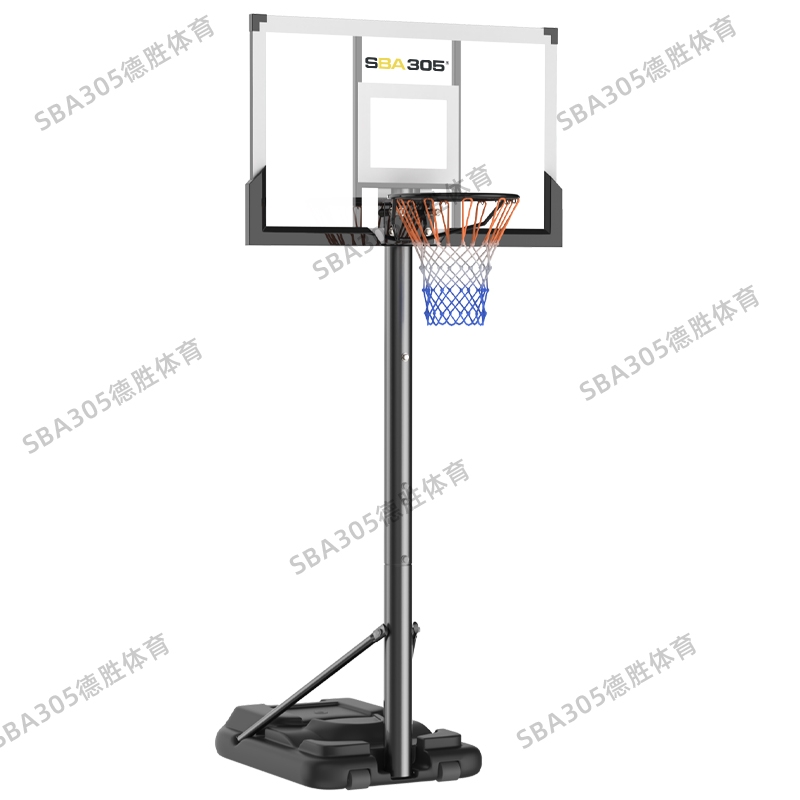
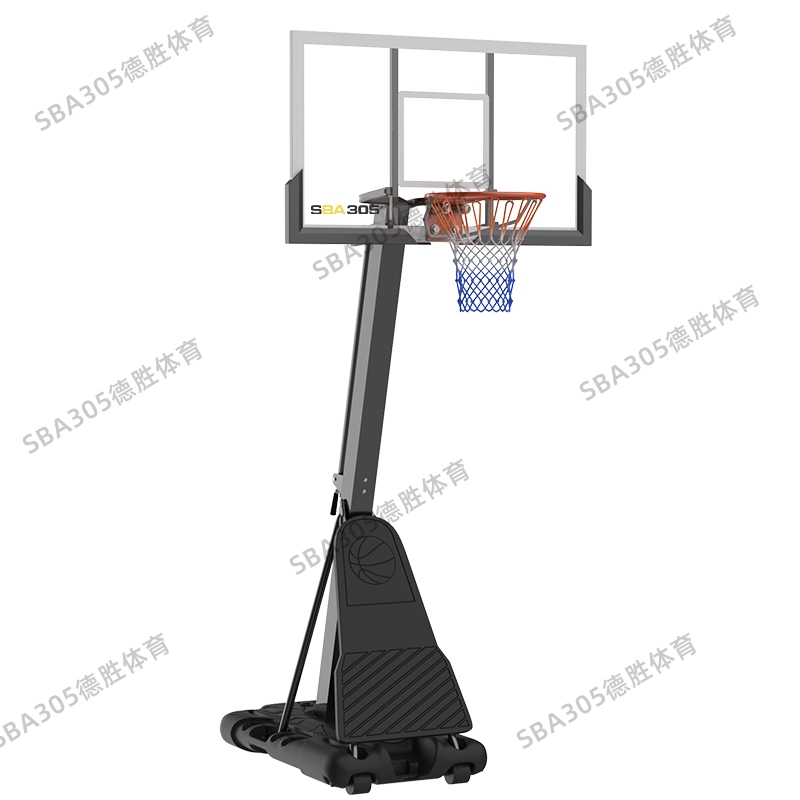
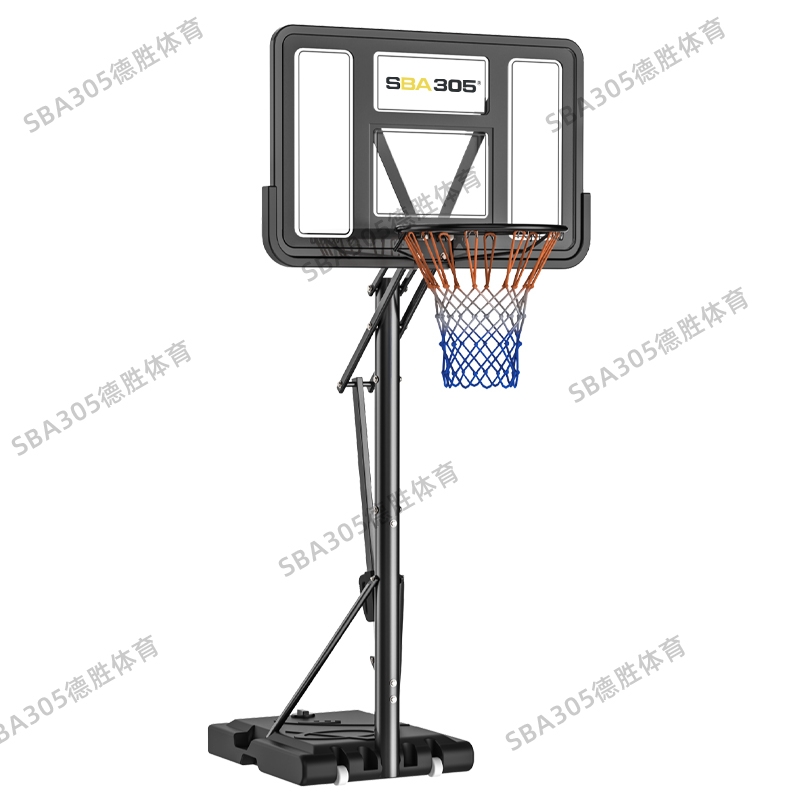
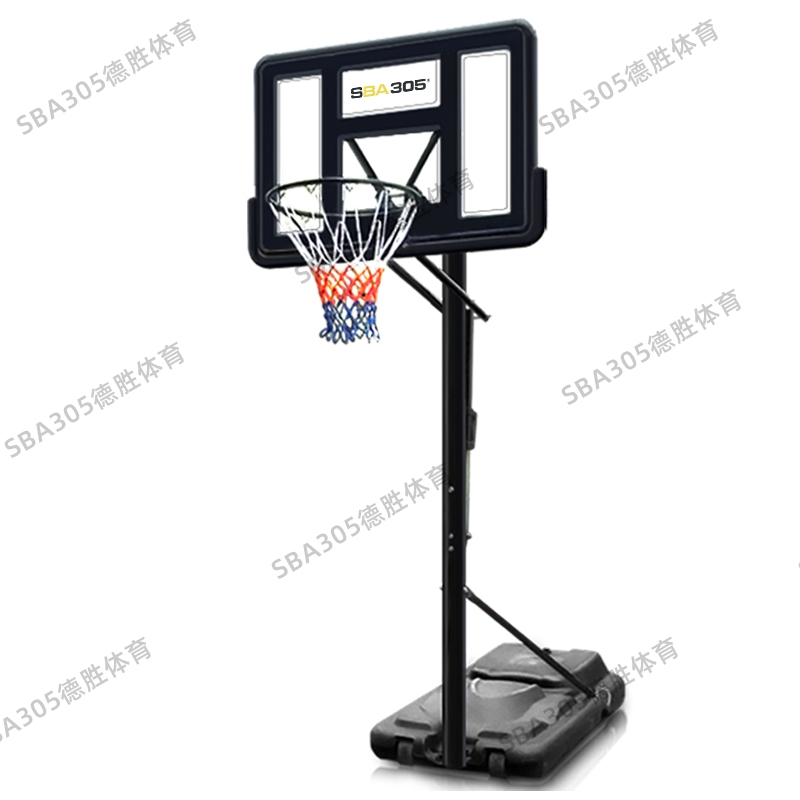
Modern basketball stands are designed with full consideration of stability and durability, and are made of high-strength materials to ensure the safety of athletes.
At the same time, international organizations such as the International Basketball Federation (FIBA) have also developed standardized norms for basketball stands to ensure the fairness and safety of basketball games worldwide.